
How the Energy Transition is Reshaping Property Risk, Underwriting Appetite and Insurance Cost
Across Australia, faith-based organisations, schools, universities and community institutions are accelerating investment in rooftop solar photovoltaic systems. The drivers are compelling: rising energy costs, sustainability commitments, government incentives, large available roof areas and long-term asset ownership. For many organisations, solar is no longer simply an environmental initiative, it has become part of broader asset, financial and stewardship strategy.
However, insurers and risk engineers are increasingly viewing rooftop solar through a different lens. Solar systems change the physical risk profile of buildings by introducing new property, engineering and operational exposures that may not have existed when the buildings were originally designed, constructed or insured. The key concerns identified in insurer guidance include fire and electrical ignition sources, wind uplift, mechanical failure, structural loading, water ingress, battery storage risks and hail damage.
From an insurance perspective, rooftop solar is therefore an emerging risk. It is growing quickly, it is being installed across large and diverse property portfolios, and the loss experience is still developing. The issue is not whether solar is beneficial, clearly it can be, but whether the associated risks are being identified, engineered, documented and managed in a way that preserves insurability.
Why Solar has Become an Emerging Insurance Issue
Faith and education portfolios are particularly well suited to rooftop solar. They often include large, unobstructed roof areas, significant daytime electricity demand, long-term ownership structures, sustainability objectives and access to government incentive programs.
Those same characteristics also create an insurance challenge. As solar installations grow in number and size, insurers become more concerned about concentration of exposure. A single school campus may have solar arrays across classrooms, administration buildings, halls and sporting facilities. Across a diocese, school system or university network, this can create a meaningful accumulation of exposed asset value.
Unlike many other building assets, solar panels are installed on the most exposed part of the property, the roof. This places them directly in the path of hail, wind, lightning and other natural hazards.
For property insurers, this matters because solar is not just an equipment risk. It can affect:
- The building’s natural catastrophe exposure
- The likelihood and severity of storm-related claims
- Roof maintenance and reinstatement costs
- Business interruption exposure
- Loss adjustment complexity
- Portfolio accumulation modelling
- Underwriting appetite at renewal.
Hail: the Peril Changing the Conversation
Fire remains one of the most severe loss scenarios associated with rooftop solar, but hail is rapidly becoming one of the most significant natural peril concerns for insurers. Hail is increasingly recognised as a significant natural catastrophe driver for property losses, particularly where solar panels are involved.
The reason is simple, hail can damage an entire installation at once. Unlike a localised electrical fault or isolated equipment failure, a severe hailstorm can affect hundreds or thousands of panels across a campus within minutes. For large schools, parishes, community buildings or university campuses, this can result in significant asset damage, operational disruption and costly replacement programs.
The physical damage may include fractured panel glass, micro-cracking within solar cells, moisture ingress, electrical degradation, reduced energy generation, failure of panel strings and damage to roof membranes from broken debris.
This creates an important insurance issue: not all damage is immediately visible. Micro-cracking may allow panels to continue operating, but with reduced efficiency and possible accelerated deterioration over time.
That delayed deterioration creates a more complex claims environment. Insurers may need to distinguish between immediate physical damage, latent damage, maintenance issues, pre-existing roof condition, panel performance degradation and future replacement cost.
The Portfolio Accumulation Problem
For faith and education organisations, the insurance concern is magnified at a portfolio level. Exposure increases when multiple properties sit within a hailstorm corridor and that a single severe convective storm may affect numerous schools, parishes or community facilities at the same time.
This is the core insurable risk issue.
An individual rooftop solar installation may be manageable. A portfolio wide concentration of solar installations exposed to the same weather system is different. It can create a single event accumulation exposure for insurers, reinsurers and risk financing structures.
The claim may also extend beyond the panels. Hail can contribute to roof membrane damage, water ingress, damage to classrooms, libraries and archives, disruption to teaching and community activities, temporary closures, and increased maintenance and reinstatement costs.
For insurers, that means the loss is not simply the replacement value of panels. It can become a property damage, business interruption, project management, roof reinstatement and operational disruption event.
Other Risk Factors Insurers Will Continue to Examine
Although hail is increasingly important, insurers will continue to assess solar through a broader property-risk lens.
Fire and Electrical Risk
Solar systems introduce electrical equipment onto rooftops. Potential causes of fire include faulty connectors, damaged cabling, arc faults, inverter failures and poor installation practices. PV systems can alter fire behaviour by re-radiating heat back onto roof materials, potentially accelerating fire spread.
Wind and Mechanical Failure
Solar panels introduce additional wind loads to roof structures. If systems are poorly designed or inadequately secured, they may experience panel detachment, mounting failure, windborne debris damage and water ingress following storm damage.
Roof Life and Structural Loading
A common concern is the installation of a long life solar system on a roof with a shorter remaining service life. Once solar infrastructure is installed, future roof replacement can become materially more expensive because panels and associated infrastructure may need to be removed and reinstated.
Battery Storage
Where solar systems are coupled with batteries, additional fire and thermal runaway risks need to be considered through dedicated engineering controls and emergency planning.
What Insurers Will Expect to See
As the exposure grows, insurers are likely to require better data and stronger evidence of risk management. Clients can look to mitigate risk at multiple stage gates.
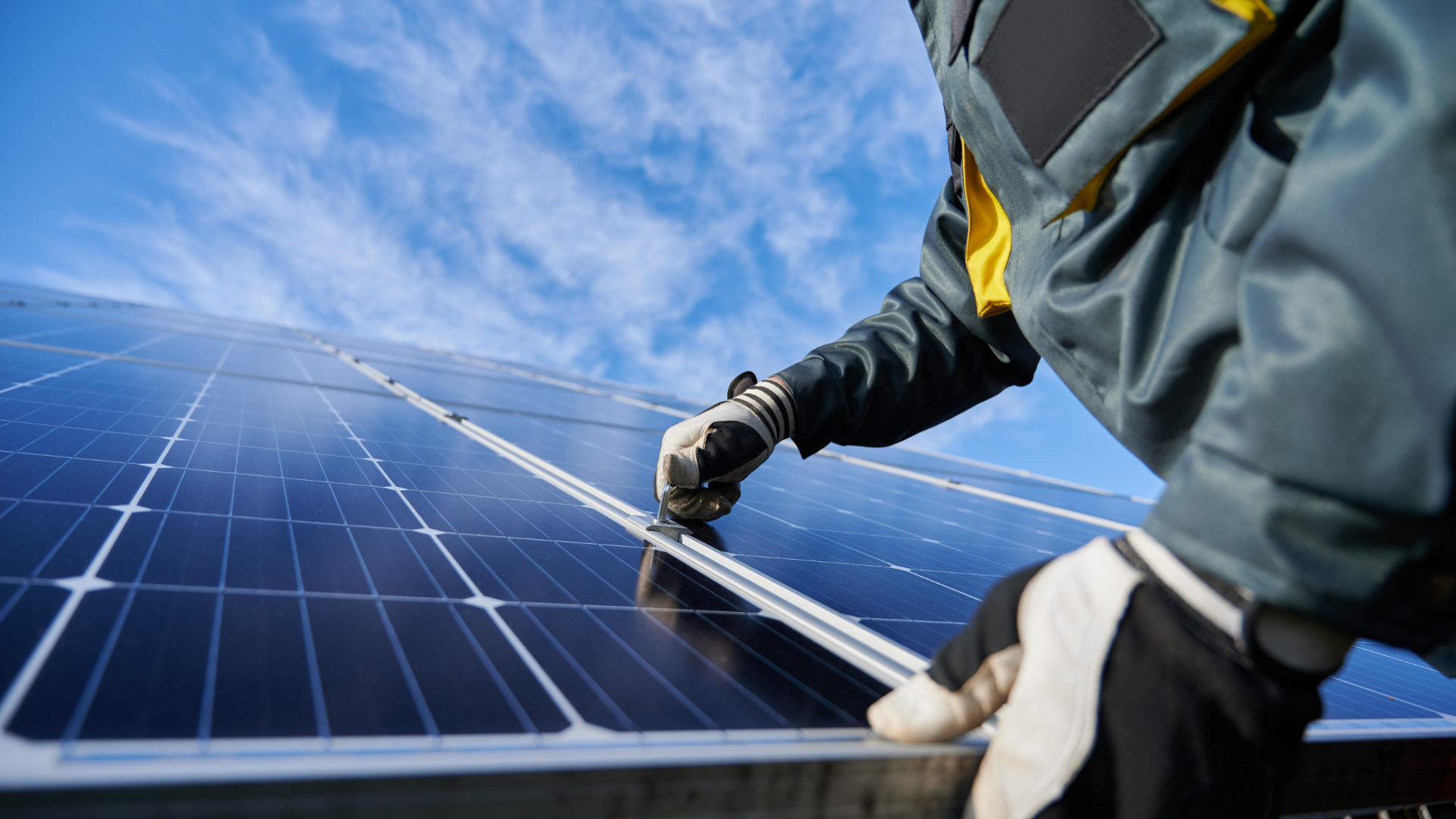
Before installation, property owners should assess the roof’s structural condition, remaining roof life and exposure to local hail, wind and catastrophe risks. They should also ensure drainage and penetrations are properly recorded and engage qualified installers.
During design, organisations should specify panels with verified hail resistance ratings, consider tested and approved roof-PV systems, ensure mounting systems are engineered for local wind conditions, and maintain access for maintenance and emergency response.
During operation, they should monitor energy performance, conduct regular inspections, inspect after major hail or storm events, and include solar infrastructure within emergency response and asset maintenance programs.
How Will Insurers Deal with this Heightened Risk Exposure
- Insurers are likely to pay more attention to how much solar panel exposure they have in hail-prone areas and to storm risks.
- Eventually, insurers might increase rates or apply higher deductibles for solar panels on individual buildings (which should be challenged).
- The risk from accumulation could also result in a higher or distinct aggregate deductible (which should likewise be opposed).
During renewal, we recommend that property owners with solar installations record the capacity for each building and location, along with their replacement costs. Additionally, comprehensive risk mitigation strategies and documented maintenance routines should be included in underwriting details, the more information provided to insurers, the more accurately premiums will be calculated (as insurers tend to err on the side of caution when information is lacking).
For those planning to install solar panels, we strongly suggest considering thorough risk mitigation designs and protective measures against hail and storms.
From an insurable risk perspective, rooftop solar may influence:
- Premium rating
- Deductible levels
- Sub-limits
- Coverage wording
- Claims evidence requirements
- Engineering recommendations
- Insurer capacity
- Catastrophe modelling assumptions
- Renewal negotiation strategy.
This does not mean solar should be avoided. It means solar should be treated as a critical property asset, not simply as an energy-efficiency upgrade.
Summary
Rooftop solar has become an increasingly important part of the asset strategy of schools, universities, parishes and community organisations. The financial and environmental benefits are clear, and adoption is expected to continue across faith and education portfolios.
However, insurers are now viewing solar installations as a material property exposure that can introduce new layers of physical damage, natural peril, business interruption and accumulation risk.
The key question is not whether faith and education organisations should install solar. The better question is whether solar programs are being designed, installed, maintained and documented with the same discipline applied to any other major insured asset.
Organisations that incorporate hail resilience, roof suitability assessments, quality installation standards, accurate asset data, documented maintenance and post-storm inspection protocols will be better positioned to realise the benefits of solar while preserving insurer confidence.
In that sense, rooftop solar is both an opportunity and an emerging insurable risk. Managed well, it supports sustainability, financial resilience and long-term asset strategy. Managed poorly, it has the potential to become a growing source of claims volatility, deductible pressure and insurer scrutiny. Please reach out to your CRIS account manager if you have any questions around your specific exposures in this area.
References
Allianz Commercial, Solar Photovoltaic Panels – Emerging Risk Trend Talk 3 (September 2024).
FM Global, Property Loss Prevention Data Sheet 1-15: Roof-Mounted Solar Photovoltaic Panels (April 2026).
Zurich, Risk Insight: Roof Mounted Photovoltaic Panels and Systems (2023) and Managing the Risks of Roof-Mounted Solar Panel Systems on Community Buildings (2022).
Lockton, Inside Risk: Mitigating the Risks of Roof Mounted Photovoltaic Systems (November 2024).